
Photographing Coastal Landscapes in Soft Evening Light

Why the Last Hour Before Sunset Does the Heavy Lifting
Coastal light in Britain is rarely generous, which is exactly why the hour before sunset matters so much. As the sun drops towards the horizon, it travels through more atmosphere, softening contrast and warming the colour of everything it touches. Sandstone turns honeyed, wet basalt goes almost black, and the sea takes on a metallic sheen that no midday sun can produce.
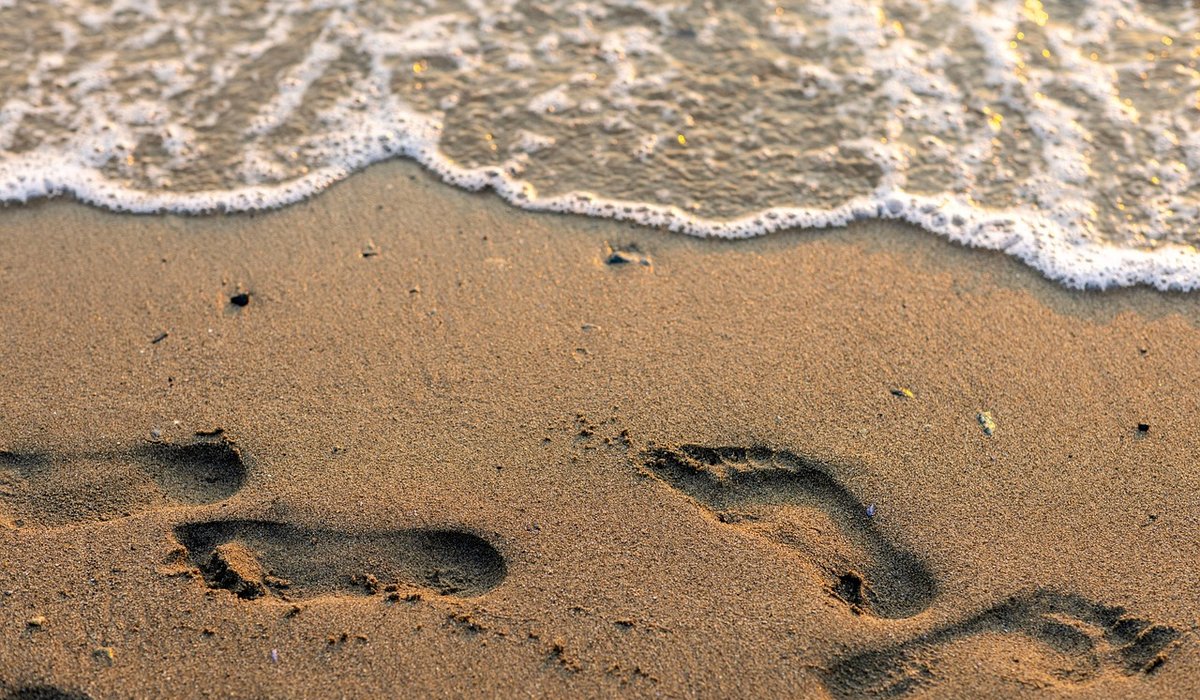
The practical upshot is that you can photograph subjects that look flat and unremarkable at two in the afternoon and find they sing at eight in the evening. Sea stacks gain modelling on their western faces. Wave foam picks up a warm rim. Even the humble beach at low tide becomes a mirror for cloud and colour.
Aim to be in position at least forty-five minutes before sunset and stay for twenty minutes after. The afterglow — sometimes called the blue hour — often delivers the most subtle, painterly colour of the whole evening, especially on an overcast day when the clouds themselves become the subject.
Reading the Tide and the Weather Before You Set Off
On the coast, timing is not just about light. It is about water. A cove that offers wonderful foreground rocks at low water can be a swimming pool of churning surf two hours later, and the difference between a safe vantage point and a soaking — or worse — is knowing which way the tide is running.
- Check a local tide table for the nearest standard port, then adjust for the beach you have in mind.
- Give yourself a generous margin. Tides around the UK can advance faster than walking pace across flat sand.
- Note wind direction as well as strength. An onshore breeze at force four or five will throw spray across your front element and make long exposures messy.
- Look at swell forecasts if you plan to shoot near exposed headlands or wave-cut platforms.
A little local knowledge goes a long way. Ask in a harbour office, read any safety signage at the top of the slipway, and if a beach has a seasonal lifeguard service, their board will often mention particular hazards such as rip currents or falling rock.
Composition: Leading Lines, Frames and the Value of a Foreground
Coastal landscapes reward a deliberate approach to composition because the raw ingredients are so strong. You have natural diagonals everywhere: the edge of the surf, a line of wet pebbles, the sweep of a cliff path, the retreating tide line on sand.
Use them. Place a diagonal so it enters from a bottom corner and leads the eye towards your main subject — a stack, a lighthouse, a distant headland. Foreground interest is what separates a snapshot from a photograph; a few textured rocks, a curl of kelp or a shallow pool reflecting the sky will anchor the frame and give it depth.
Try these approaches when the scene feels busy:
- Frame within a frame: shoot through a natural arch or between two boulders to isolate the sea beyond.
- Get low: dropping the tripod to knee height exaggerates foreground and makes rock pools feel vast.
- Include a human element: a lone figure on a distant beach gives scale to enormous cliffs.
- Shoot vertical: portrait orientation suits tall stacks and steep, layered cliffs beautifully.
Kit That Survives Salt, Spray and Wet Sand
Sea air is corrosive and fine sand gets into everything. A modest kit, well protected, will outperform an expensive one that is constantly being cleaned. Weather-sealed bodies and lenses help, but they are not invincible.
Essentials for an evening on the coast include a sturdy tripod you can weight down against the wind, a remote release or two-second delay, a couple of microfibre cloths in a zip bag, and a dry bag for anything you would rather not lose to a rogue wave. A lens hood keeps spray off the glass and reduces flare when you shoot towards the sun.
Filters earn their place too. A polariser cuts glare from wet rock and deepens a blue sky, while a graduated neutral density filter balances a bright sky against a darker foreground. A ten-stop neutral density filter lets you stretch exposures to thirty seconds or more, turning surf into mist — though on a rough evening, a two or three second exposure often looks better, retaining some texture in the water.
Afterwards, wipe everything down with a damp cloth, dry it thoroughly and store silica gel sachets with your gear. Salt left overnight will etch coatings and corrode contacts.
Camera Settings for Fading Light
As the light drops, your workflow should get simpler, not more complicated. Work in manual or aperture priority, keep ISO at its base setting for as long as you can, and choose an aperture around f/8 to f/13 for a deep depth of field across the scene.
Watch your histogram rather than the back of the screen — a bright sky reflecting off the sea can fool you into underexposing the land. Bracket exposures if the range is wide, and consider focusing manually at around a third of the way into the frame when you are shooting at small apertures in dim conditions.
Colour temperature is worth a moment's thought. Auto white balance often cools the scene too much; setting daylight or a slightly warmer value will keep the gold in the sky and the warmth in the cliffs.
Staying Safe and Coming Back with More Than Photographs
Evening shoots on the coast mean returning in the dark, so plan your exit as carefully as your arrival. Carry a head torch, tell someone where you are going and when you expect to be back, and remember that mobile signal vanishes in many coves.
Stay back from cliff edges, particularly on loose or grassy ground, and never turn your back on the sea. If a wave catches you once, it can catch you again.
Finally, tread lightly. Stay off fragile dunes and lichen-covered rock, take every bit of litter home with you, and leave the coves exactly as you found them — quiet, wild and worth returning to.

Joeby Ragpa
This template is so awesome. I didn’t expect so many features inside. E-commerce pages are very useful, you can launch your online store in few seconds. I will rate 5 stars.
ReplyAlexander Samokhin
This template is so awesome. I didn’t expect so many features inside. E-commerce pages are very useful, you can launch your online store in few seconds. I will rate 5 stars.
ReplyChris Root
This template is so awesome. I didn’t expect so many features inside. E-commerce pages are very useful, you can launch your online store in few seconds. I will rate 5 stars.
Reply