
Wild Camping Etiquette and Leave No Trace Principles

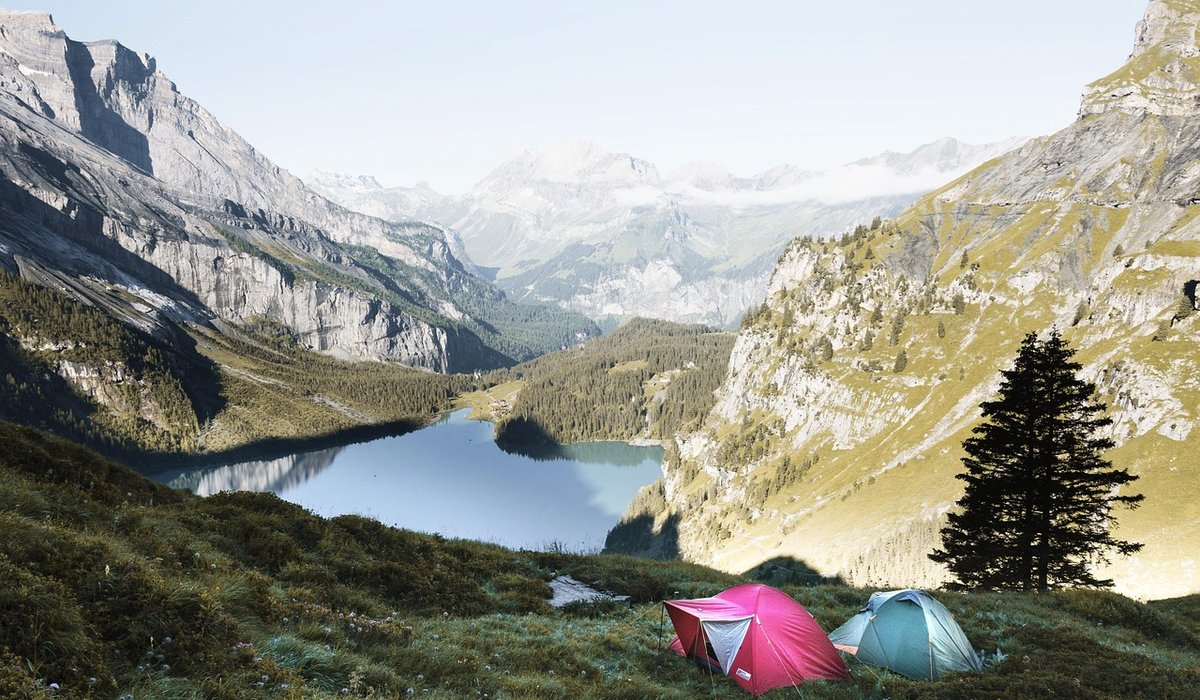
Leave No Trace Begins at Home
The finest wild camps are the ones nobody notices. No flattened grass, no blackened stones, no orange peel on a summit. That doesn't happen by accident. It starts at the kitchen table, with a map, a forecast and a bit of honest planning.
First, check that wild camping is actually welcome where you're heading. In Scotland, the access code allows lightweight wild camping on most unenclosed land, provided you follow its guidance. In England and Wales, you generally need the landowner's permission, and some popular areas carry local restrictions or seasonal permissions worth checking before you set off.
Then strip your kit down. Decant porridge, pasta and coffee into reusable bags, bin the cardboard and plastic sleeves, and you'll carry less weight and leave less behind. Pack a small rubbish bag plus a second, sealable one for anything wet or smelly. If it isn't in your rucksack when you arrive, it won't be in the landscape when you leave. Everything that comes in goes out — including the things you'd rather forget.
Picking a Pitch Nobody Will Notice
Look for ground that's already bare and hard-wearing: gravel, rock, dry turf, or a spot that's clearly been camped on before. Avoid the fragile stuff — peat bogs, moss, lichen, sand dunes, machair and young woodland all take years to recover from a single night's use.
Pitch at least 60 metres from lochs, tarns, streams and rivers, and well back from paths and rights of way. Give other people room: nobody wants a tent in the middle of their view, and a discreet pitch is a safer one too.
- Arrive late and leave early — quietly.
- Stay out of enclosed fields, and never camp in a field with livestock in it.
- Keep away from houses, farm buildings, roads and obvious viewpoints.
- Don't dig drainage trenches, cut vegetation or move rocks to level your ground.
- Keep groups small; three or four tents is a crowd on a busy weekend.
Toilets, Trowels and Toilet Paper
This is the part people get wrong most often, and it's the part that causes the most damage. Carry a trowel. Dig a hole about 15 to 20 centimetres deep, at least 30 metres from any water, path or pitch, and well away from where anyone might sit. Bury the waste, then replace the turf and leaf litter as neatly as you found it.
Toilet paper never breaks down as quickly as you'd like. Bag it and carry it out, along with sanitary products and wet wipes, which don't decompose at all. In high, busy or exceptionally sensitive places — summit plateaus, honey-pot lochs, popular mountain passes — carry everything out, no digging at all.
Urinating is fine in the right place: well away from pitches and water, and not on delicate vegetation or on the same spot repeatedly. If you're somewhere with a bothy toilet or a public loo nearby, use it before you walk in.
Keeping Water Sources Clean
Everything you do near water affects everything downstream, including the people filling their bottles from it. Wash yourself, your pans and your clothes at least 60 metres from the water's edge. Carry water to your pitch in a bowl or bottle rather than scrubbing pots in the burn, and scatter the grey water afterwards.
Even biodegradable soap needs soil to break it down, so it doesn't belong in a stream. Toothpaste is the same — spit into a tissue and pack it out, or rinse well away from water. Don't use streams as a fridge, don't dam them to make a pool, and don't build stone stacks or cairns: they're visual litter in wild places.
Campfires, Stoves and the Scars We Leave
A stove is almost always the better choice: it's fast, it leaves nothing, and it works in a downpour. Fires leave the deepest and longest-lasting marks, and in dry spells they start wildfires that can burn for days.
If you do light a fire, only do so where it's permitted and safe — never on peat, never under trees or in forestry, and never when the ground or the forecast is tinder-dry. Use an existing fire scar, keep it small, and burn only dead wood gathered from the ground; don't break branches from living or standing dead trees. Afterwards, burn everything down to ash, douse it with water until it's cold to the touch, and scatter the ash widely. Better still, leave the wood where it feeds the soil and enjoy the dark instead.
Sharing the Hills With Everyone Else
Wild camping is a privilege shared with farmers, wildlife, other walkers and the people who live and work in the landscape. Close every gate you pass through, keep dogs under close control or on a lead around livestock and ground-nesting birds, and give animals plenty of space — never camp in a lambing or calving field, and move on calmly if cattle take an interest.
Keep noise low, leave the speaker at home, and don't light fires or fly drones where they'll disturb wildlife or annoy your neighbours. Store food securely so nothing gets habituated to human scraps, and take away every crumb, including the ones you dropped.
Leave the place looking as though you were never there. That's the whole craft of it — and it's what keeps wild camping possible for the next person walking in behind you.

Joeby Ragpa
This template is so awesome. I didn’t expect so many features inside. E-commerce pages are very useful, you can launch your online store in few seconds. I will rate 5 stars.
ReplyAlexander Samokhin
This template is so awesome. I didn’t expect so many features inside. E-commerce pages are very useful, you can launch your online store in few seconds. I will rate 5 stars.
ReplyChris Root
This template is so awesome. I didn’t expect so many features inside. E-commerce pages are very useful, you can launch your online store in few seconds. I will rate 5 stars.
Reply